
Light microscopes
Light microscopes use visible light and a system of lenses to magnify a specimen, and remain the core tool of any laboratory, teaching facility, or quality control department. This range covers three configurations: upright microscopes for slides and prepared samples, inverted microscopes for live cell cultures observed from below, and stereo microscopes for low-magnification, three-dimensional viewing of bulk samples. Optika builds its light microscopes with IOS infinity-corrected optics and the exclusive X-LED illumination system, giving laboratories dependable, cost-effective instruments across every technique and configuration.
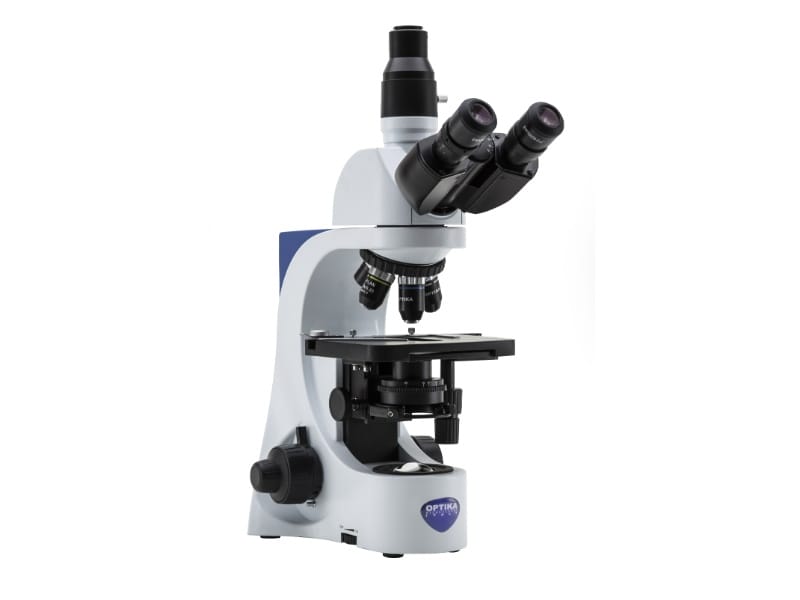
- Type: Brightfield, trinocular
- Magnification: Up to 1000x
- Optics: IOS N-PLAN, infinity corrected
- Illumination: X-LED3
- Head: Trinocular, 30 degree inclined
€1.072,00 excl. VAT
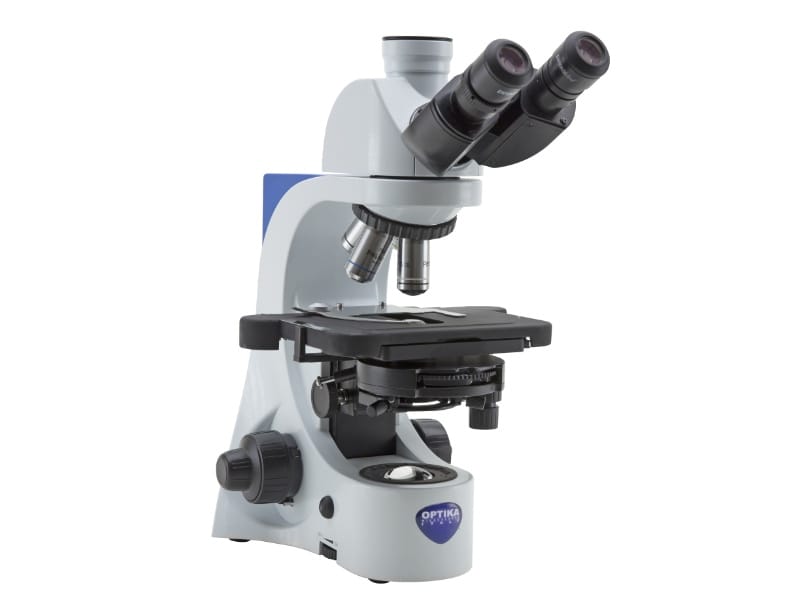
- Type: Phase contrast microscope
- Magnification: 40x – 1000x
- Optics: N-PLAN / W-PLAN
- Illumination: 3.6 W X-LED3 (ALC)
- Head: Binocular, 30 degrees inclined, 360 degrees rotating
€1.778,00 excl. VAT
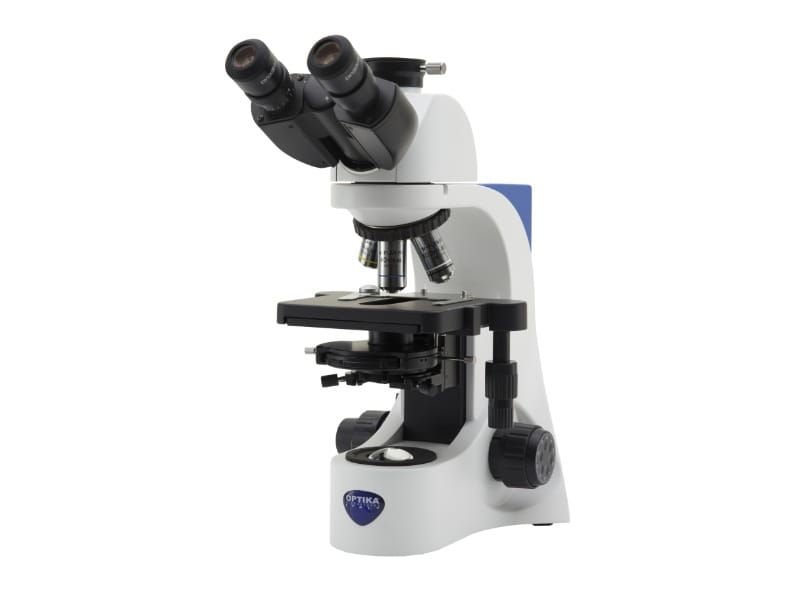
- Type: Phase contrast, trinocular
- Magnification: Up to 1000x
- Optics: N-PLAN / W-PLAN PH objectives
- Illumination: X-LED3
- Head: Trinocular, 30 degree inclined
€1.694,00 excl. VAT
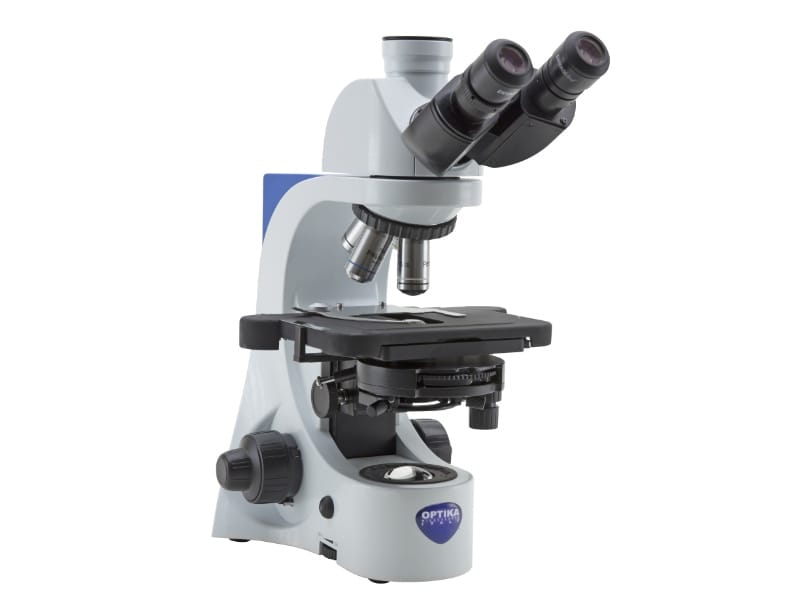
- Type: Phase contrast, binocular
- Magnification: Up to 1000x
- Optics: IOS W-PLAN PH, infinity corrected
- Illumination: X-LED3 with ALC
- Head: Binocular, 30 degree inclined
€2.138,00 excl. VAT
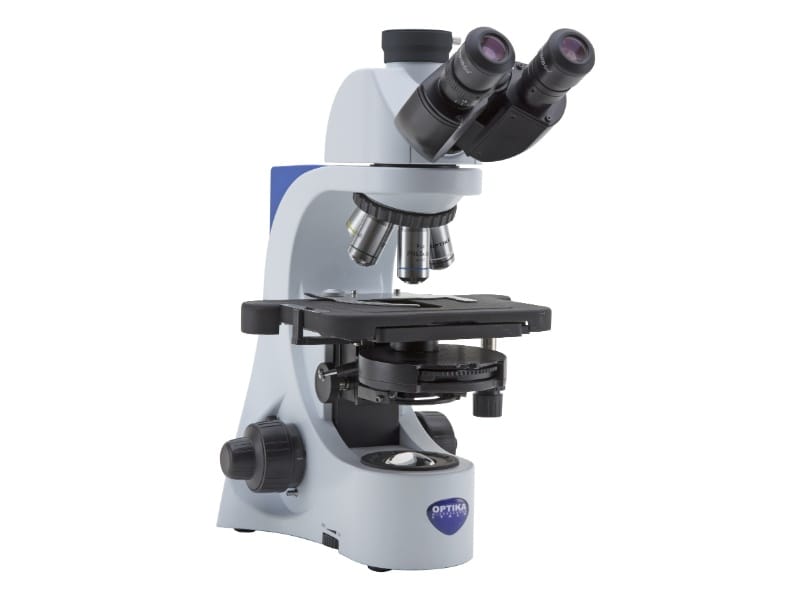
- Type: Phase contrast, trinocular
- Magnification: Up to 1000x
- Optics: IOS W-PLAN PH, infinity corrected
- Illumination: X-LED3
- Head: Trinocular, 30 degree inclined
€2.050,00 excl. VAT
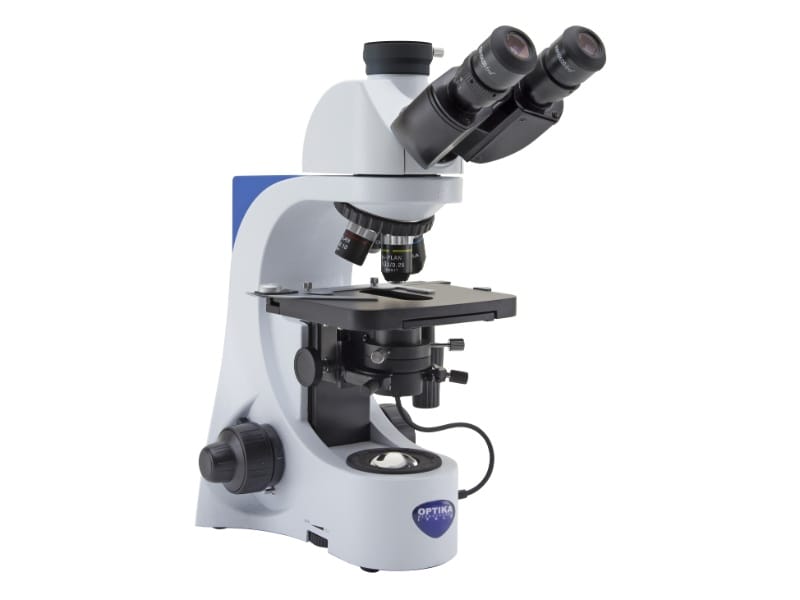
- Type: Darkfield, trinocular
- Magnification: Up to 1000x
- Optics: N-PLAN and W-PLAN objectives
- Illumination: X-LED3 built into darkfield condenser
- Head: Trinocular, 30 degree inclined
€1.874,00 excl. VAT
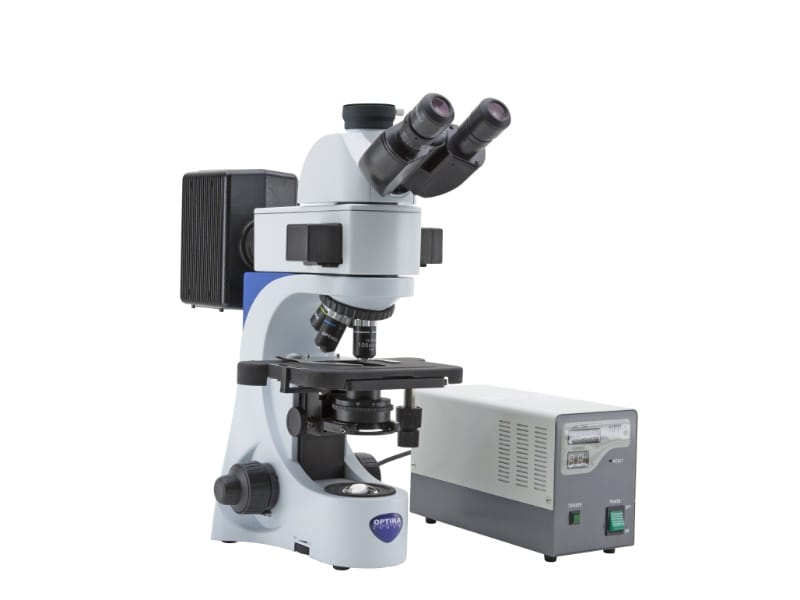
- Type: HBO fluorescence, trinocular
- Magnification: Up to 1000x
- Optics: IOS N-PLAN objectives
- Illumination: HBO 100W mercury, X-LED3 transmitted
- Head: Trinocular, 30 degree inclined
€3.485,00 excl. VAT
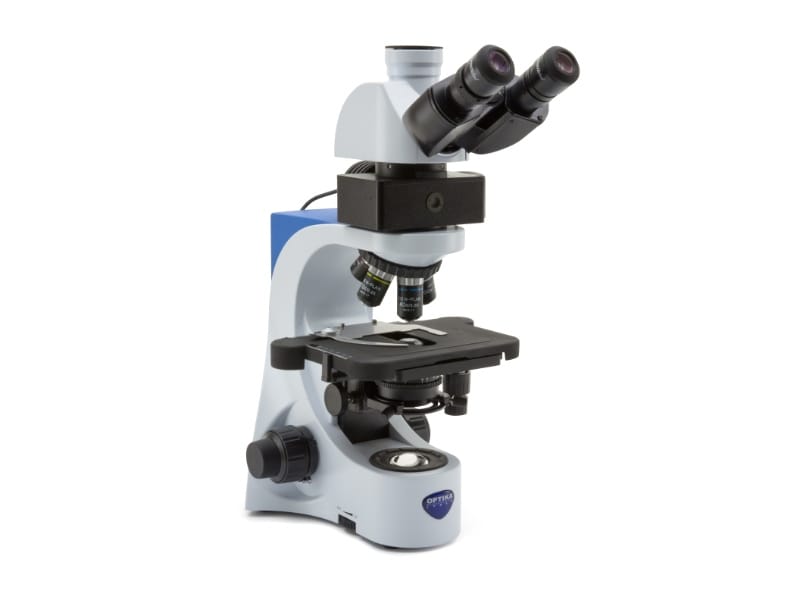
- Type: LED fluorescence, trinocular
- Magnification: Up to 1000x
- Optics: IOS N-PLAN objectives
- Illumination: Blue LED epi-fluorescence, X-LED3
- Head: Trinocular, 30 degree inclined
€2.067,00 excl. VAT
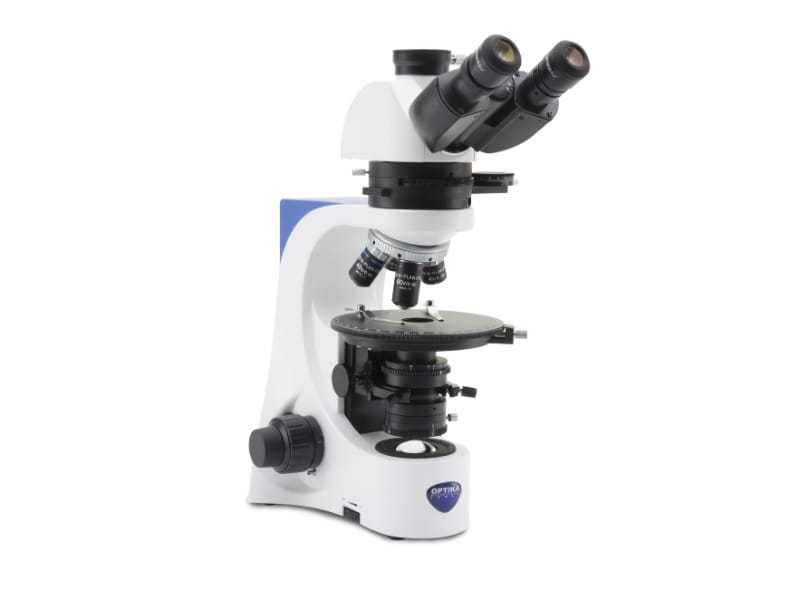
- Type: Polarizing, trinocular
- Magnification: Up to 600x
- Optics: IOS N-PLAN POL, infinity corrected
- Illumination: X-LED3
- Head: Trinocular, 30 degree inclined
€2.436,00 excl. VAT
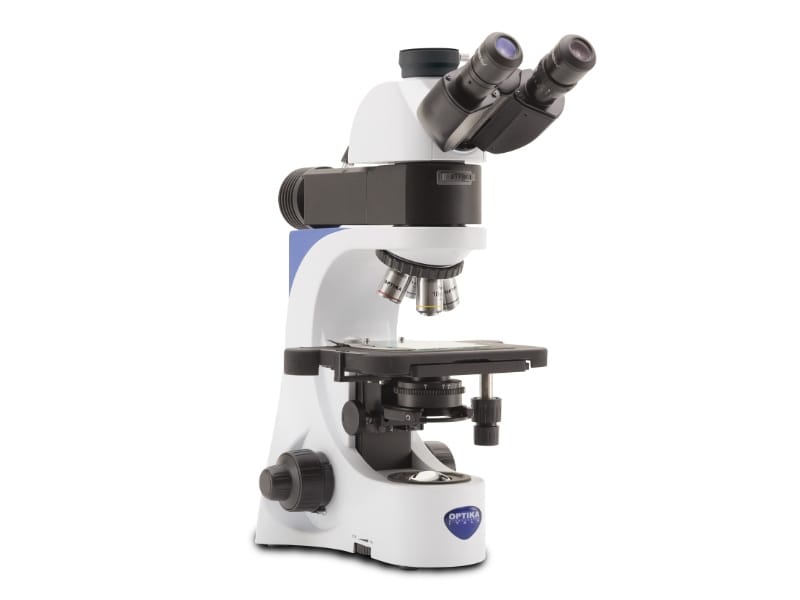
- Type: Metallurgical, trinocular
- Magnification: Up to 500x
- Optics: IOS W-PLAN MET, no cover glass
- Illumination: X-LED3, transmitted and incident
- Head: Trinocular, 30 degree inclined
€2.249,00 excl. VAT
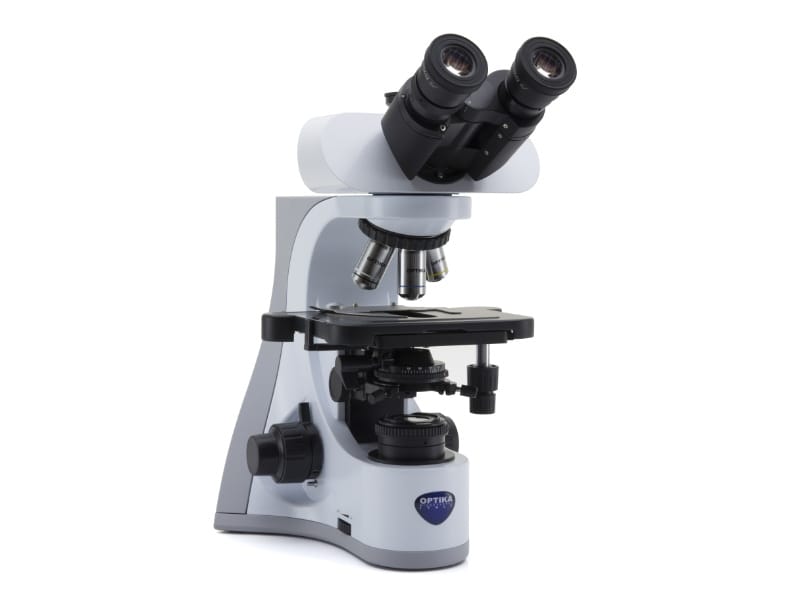
- Type: Brightfield, trinocular
- Magnification: Up to 1000x
- Optics: IOS W-PLAN, infinity corrected
- Illumination: X-LED3, full Kohler
- Head: Trinocular, 30 degree inclined
€1.478,00 excl. VAT
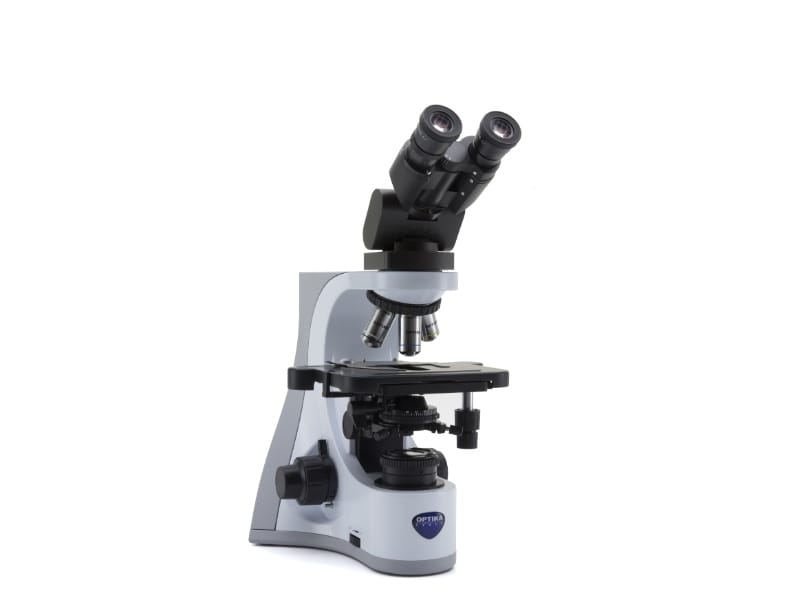
- Type: Brightfield, binocular ERGO
- Magnification: Up to 1000x
- Optics: IOS W-PLAN, infinity corrected
- Illumination: X-LED3, full Kohler
- Head: Binocular ERGO, 30-60 degree variable
€1.659,00 excl. VAT
Comparing Light Microscope Configurations
| Configuration | Sample position | Best suited for | Typical magnification |
|---|---|---|---|
| Upright | On a slide, viewed from above | Blood smears, tissue sections, routine diagnostics | 40x-1000x |
| Inverted | In a culture vessel, viewed from below | Live cell cultures, cell biology research | 40x-600x |
| Stereo | On a stage plate, viewed from above at low power | Dissection, assembly inspection, bulk or irregular samples | 7.5x-135x |
Three Configurations, One Optical Standard
Choosing a light microscope starts with the sample and the workflow around it. Upright microscopes hold the objectives above a slide-mounted specimen, the standard setup for blood smears, histology sections, and routine diagnostics. Inverted microscopes view the sample from below, so a live cell culture can stay in its flask or dish on the stage throughout observation. Stereo microscopes trade high magnification for a wide field of view and true three-dimensional depth, suited to dissection, assembly inspection, and handling bulk or irregular samples.
Optika: Quality Optics at a Fair Price
Optika positions itself as the accessible alternative to premium microscope brands. Across upright, inverted, and stereo ranges, Optika instruments share IOS infinity-corrected optics, the exclusive X-LED3 and X-LED8 illumination systems, and rackless mechanical stages, backed by a 10-year mechanical and optical warranty plus a lifetime warranty on the X-LED illumination source.
Six Techniques Across Configurations
Whichever configuration fits the workflow, most techniques are available in more than one: brightfield, darkfield, phase contrast, fluorescence, and metallurgical observation all exist in both upright and inverted form, while polarized light is available on the upright platform. This lets laboratories match the technique to the sample without switching optical or illumination standards.
Who Uses Optika Light Microscopes
Laboratories choose this range for routine diagnostics, university and school teaching labs, quality control in materials and manufacturing, cell culture and life science research, and any workflow that needs dependable optics without a premium research microscope budget.
Related Microscope Categories
If you already know which configuration suits your sample, go directly to upright microscopes for slide-mounted samples viewed from above, inverted microscopes for live cell cultures viewed from below, or stereo microscopes for low-magnification, three-dimensional inspection of bulk samples.