
Laboratory Stools
A laboratory stool is the ideal solution for workstations that require frequent movement and quick position changes. Unlike laboratory chairs, stools are specifically designed for short-term seating with maximum freedom of movement.
They are commonly used in laboratories, healthcare environments and technical workstations where mobility, hygiene and ease of use are key priorities.
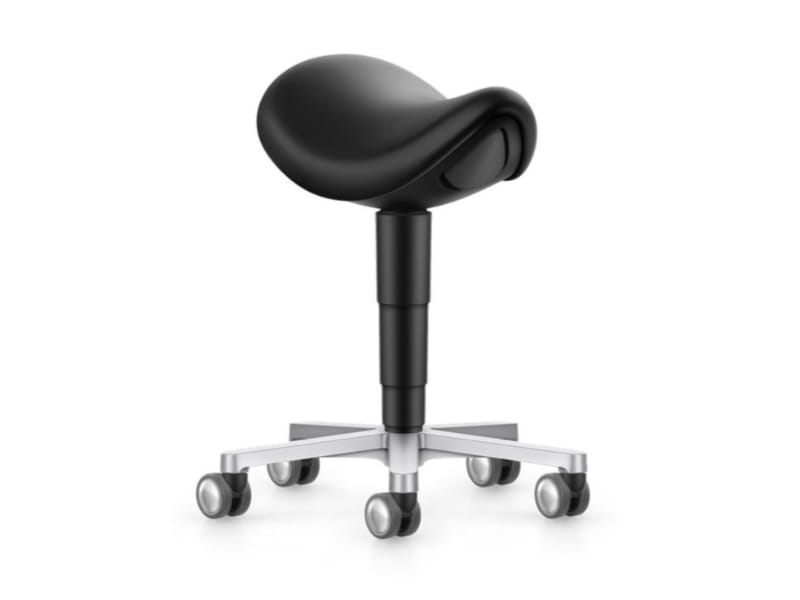
- Seat height: 540–800 mm
- Recommended working height: 760–1020 mm
- Base: Laboratory castors (smooth mobility)
- Upholstery: Artificial leather or Duotec fabric (hygienic)
- Ergonomics: Saddle seat with 3D dynamic sitting
€346,00 excl. VAT
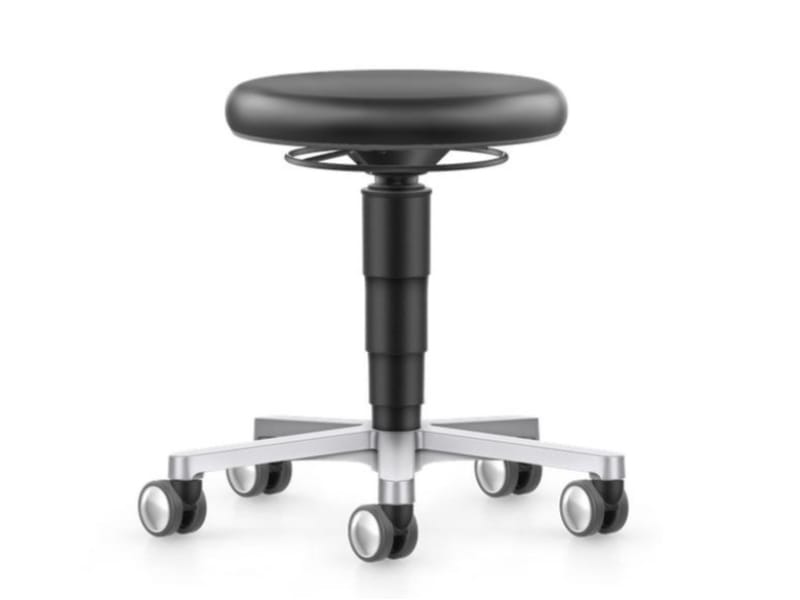
- Seat height: 450–650 mm
- Recommended working height: 650–870 mm
- Base: Castors (maximum mobility)
- Upholstery: Artificial leather or Skintec (hygienic & durable)
- Use: Ideal for short tasks and flexible work
€256,00 excl. VAT
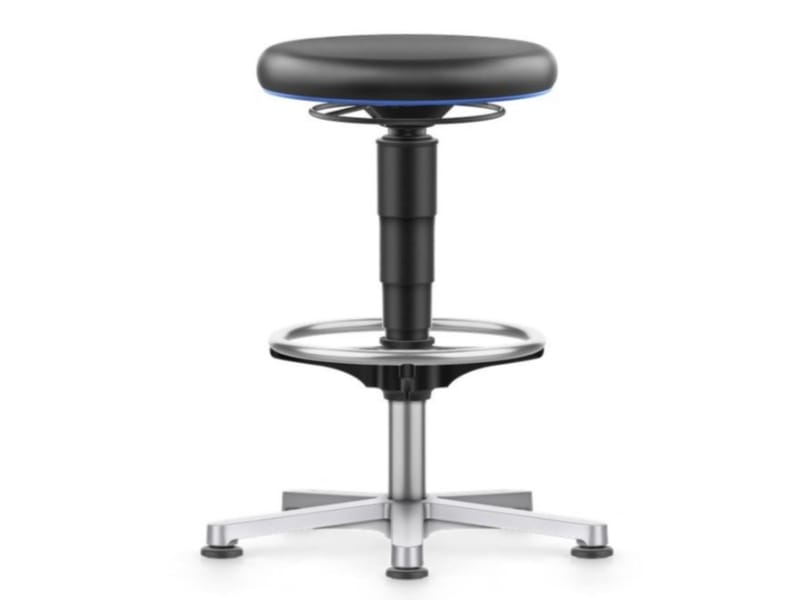
- Seat height: 560–830 mm
- Recommended working height: 800–1050 mm
- Base: Glides (maximum stability)
- Upholstery: Artificial leather or Skintec (hygienic & durable)
- Ergonomics: Integrated footring for elevated working
€300,00 excl. VAT
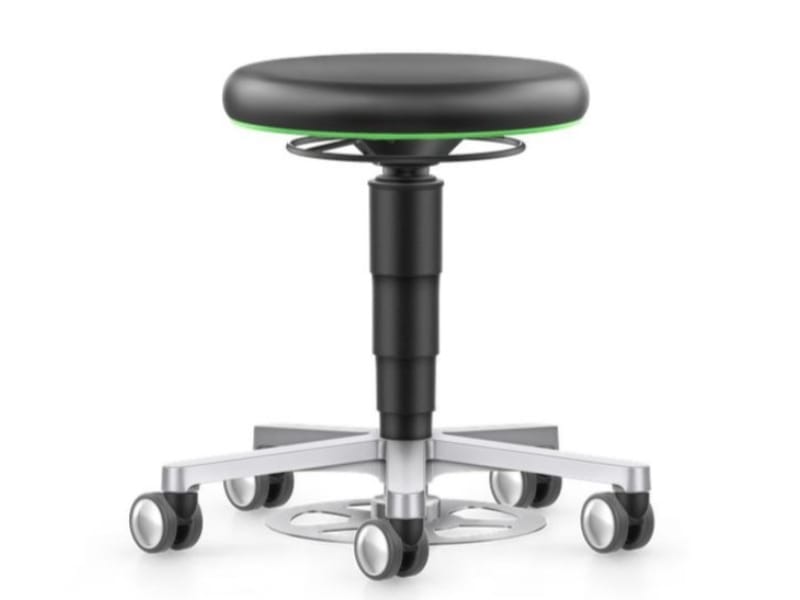
- Seat height: 480–650 mm
- Recommended working height: 700–870 mm
- Base: Castors (smooth mobility)
- Upholstery: Artificial leather or Skintec (hygienic & durable)
- Ergonomics: Foot-operated height adjustment (hands-free)
€366,00 excl. VAT
Which laboratory stool should you choose?
The right choice depends on mobility, ergonomics and hygiene requirements.
| Feature | Saddle stool (9473L) | Lab stool 2 (9463L) | Lab stool 3 (9461L) | Foot-operated stool (9F63L) |
|---|---|---|---|---|
| Seating posture | Active, ergonomic | Compact | Stable at height | Compact |
| Mobility | Very high | High (castors) | Low (glides) | High (castors) |
| Height adjustment | Gas spring | Gas spring | Gas spring | Foot operation |
| Hygiene level | High | High | High | Very high (hands-free) |
| Best suited for | Ergonomic work | Short tasks | Work at height | Sterile environments |
Summary: choose a saddle stool for ergonomics, a standard stool for flexibility, a glide version for stability, and a foot-operated model for maximum hygiene.
When should you choose a laboratory stool?
Laboratory stools are best suited for short-duration tasks where users frequently move between different work areas. Typical applications include sample preparation, quick analyses and supporting lab work.
Thanks to their compact design, stools take up minimal space and are easy to reposition. This makes them ideal for dynamic laboratory environments across the Benelux region.
Hygiene and durability in laboratory environments
In laboratory and medical environments, hygiene is critical. Bimos stools are designed according to Hygienic Design principles, featuring smooth surfaces and enclosed mechanisms to prevent the accumulation of dirt and contaminants :contentReference[oaicite:0]{index=0}.
The materials are resistant to disinfectants and intensive use, making them suitable for demanding laboratory applications.
Different types of laboratory stools
The Bimos range includes several models, each suited to specific applications:
- Saddle stool (9473L): ergonomic saddle shape promoting an active sitting posture
- Lab stool 2 (9463L): compact model with castors for maximum mobility
- Lab stool 3 (9461L): version with glides and footring for stable working at height
- Foot-operated lab stool (9F63L): hands-free height adjustment for hygienic environments
When should you choose a saddle stool?
A saddle stool is recommended when ergonomics and posture are more important than compactness. The saddle shape tilts the pelvis and supports the natural curvature of the spine, encouraging an active and upright sitting position :contentReference[oaicite:1]{index=1}.
This makes saddle stools ideal for tasks where users sit slightly longer but still require flexibility and mobility.
When is foot operation recommended?
In environments where hygiene is critical, such as sterile labs or cleanrooms, foot operation allows height adjustment without using hands. This reduces the risk of cross-contamination and improves workflow efficiency :contentReference[oaicite:2]{index=2}.
Mobility and stability for every application
All models feature a robust polished aluminium base. Depending on the configuration, you can choose castors for mobility or glides for increased stability.
This flexibility allows each stool to be tailored to the specific requirements of your laboratory environment.
Combine laboratory stools with the right seating solutions
Laboratory stools are ideal for short tasks and maximum mobility. For longer working periods or higher ergonomic requirements, they are typically combined with other seating solutions within the Bimos range.
- Laboratory chairs for long-duration seated work
- Labsit chairs for budget-friendly applications
- Nexxit chairs for shared and flexible workstations
- Neon chairs for maximum individual adjustability
- Texon chairs for premium multi-user comfort
- Standing aids for sit-stand flexibility
- Footrests for elevated workstations
Combining stools with ergonomic chairs and standing aids creates a flexible workspace adapted to different tasks and working positions.