
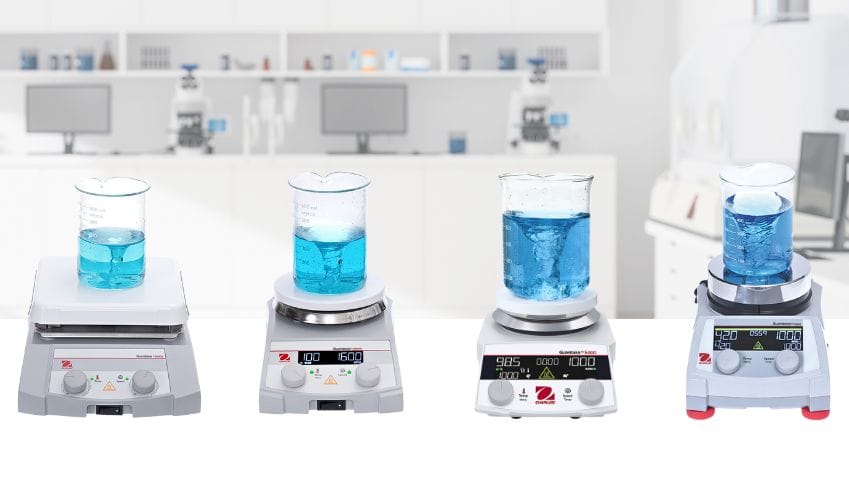
Introduction: What Is a Hotplate Magnetic Stirrer?
A hotplate magnetic stirrer is a laboratory instrument that combines two essential functions in one compact device: controlled heating and magnetic stirring. It is widely used in chemical, pharmaceutical, academic, and industrial laboratories for preparing solutions, maintaining reaction temperatures, and ensuring homogeneous mixing.
Unlike a standard laboratory hot plate, a hotplate magnetic stirrer uses a rotating magnetic field to spin a stir bar inside the vessel. This allows hands-free, contamination-free stirring while heating the sample at the same time.
Because these instruments are used in critical laboratory workflows, choosing the right model is essential for accuracy, safety, and reproducibility. Below, we explain what really matters when selecting a hotplate magnetic stirrer for your lab.
1. Heating Performance and Control
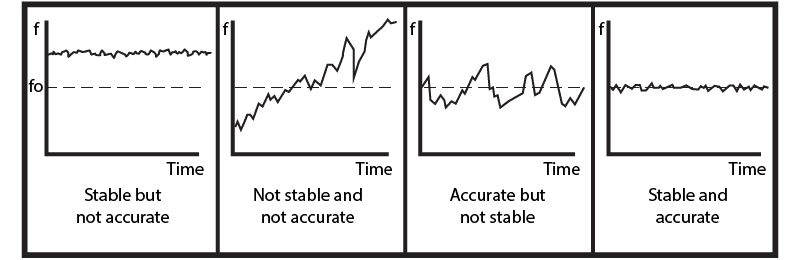
One of the first aspects to evaluate is heating performance. Not all hot plate stirrers heat in the same way.
High-quality laboratory hotplate magnetic stirrers offer:
Fast heat-up when required
Stable temperature control for sensitive applications
Even heat distribution across the ceramic or metal top
For laboratories working with temperature-sensitive samples, gradual heating modes can be just as important as rapid heating. The ability to control heating behaviour helps prevent sample degradation, boiling delays, or thermal shock.
2. Temperature Accuracy and External Probes
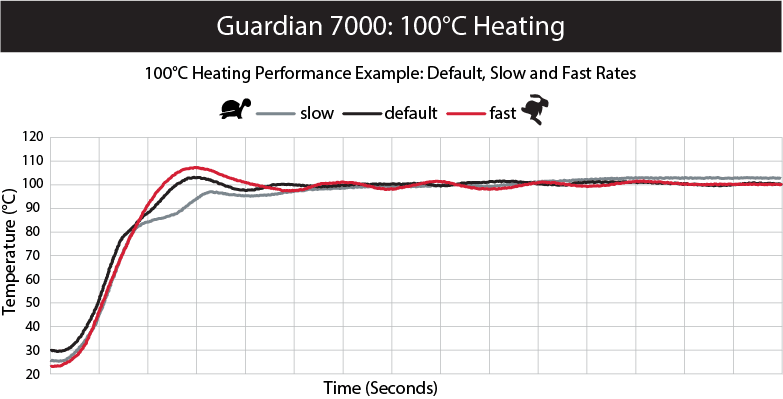
Temperature accuracy is critical for reproducible results. Many laboratories rely on external temperature probes rather than plate temperature alone.
A heated magnetic stirrer with an external probe:
Measures the actual sample temperature
Compensates for heat loss through the vessel
Improves precision in chemical reactions and biological workflows
Advanced models allow multi-point calibration, which ensures reliable temperature control over a wide working range.
3. Stirring Power and Magnetic Coupling
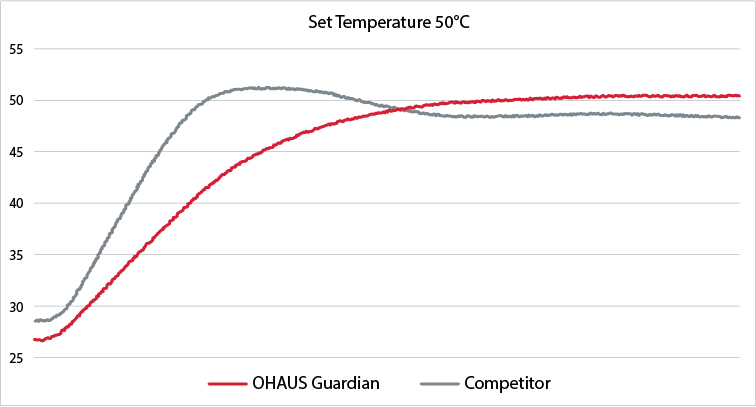
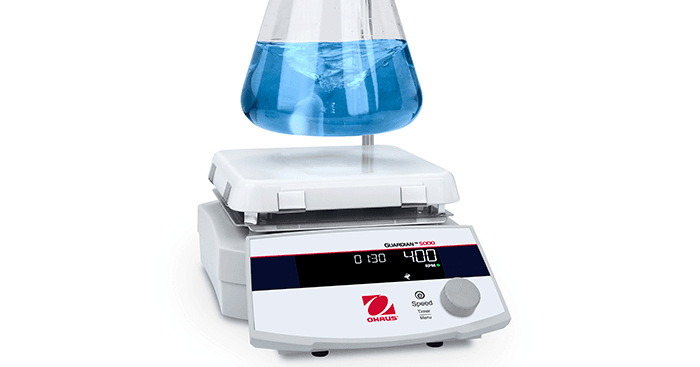
Stirring performance is not just about speed — it’s about magnetic coupling strength.
A good hotplate magnetic stirrer should:
Maintain stable stirring at both low and high speeds
Prevent stir bar decoupling
Handle different viscosities and volumes
Strong magnetic coupling is especially important when working with larger vessels or higher liquid volumes, where weaker stirrers may struggle.
4. Stir Bar and Vessel Compatibility
The effectiveness of stirring depends heavily on stir bar selection and vessel geometry.
Key considerations include:
Vessel size and shape
Liquid volume
Required turbulence level
Different stir bar designs are optimized for gentle mixing, high-shear agitation, or viscous solutions. Using the correct combination ensures efficient and consistent mixing without unnecessary strain on the motor.

5. Ease of Use in Daily Laboratory Work
In busy laboratories, ease of use directly affects productivity. User-friendly hot plate stirrers typically feature:
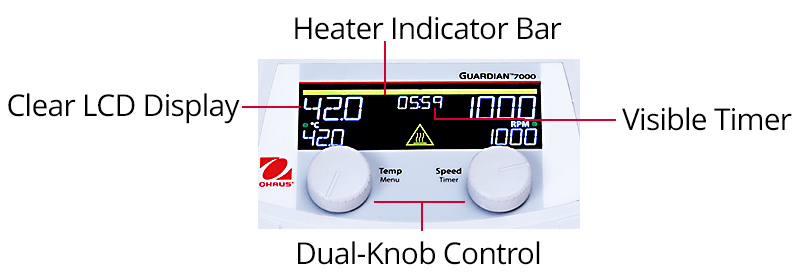
Separate controls for heating and stirring
Clear digital displays
Programmable timers
Intuitive interfaces that reduce setup errors
These features help technicians work more efficiently while minimizing the risk of incorrect settings.
6. Safety Features You Should Not Overlook
Safety is one of the most important factors when selecting a laboratory hotplate magnetic stirrer.
Essential safety features include:
Overtemperature protection
Automatic shut-off functions
Independent control of heating and stirring
Certified electrical and thermal safety systems
These features help protect users, samples, and laboratory infrastructure from overheating, spills, or unattended operation.

Choosing the Right Hotplate Magnetic Stirrer for Your Lab
The best hotplate magnetic stirrer is not simply the most powerful or feature-rich model — it is the one that matches your laboratory applications.
When making your selection, consider:
Your typical sample volumes
Required temperature accuracy
Frequency of use
Safety requirements
Long-term reliability
Laboratories that invest in high-quality magnetic stirrer hot plates benefit from improved consistency, reduced downtime, and safer workflows.
Conclusion
A hotplate magnetic stirrer is a core laboratory instrument that directly impacts experiment quality and efficiency. By understanding how heating control, stirring performance, accuracy, usability, and safety work together, you can make an informed decision that supports your laboratory’s daily operations.
If you are comparing different laboratory hot plate stirrers, focus on models that combine precise temperature control, strong magnetic coupling, and proven safety features.